Memorandum Order BSTM No. 01
Series of 2025
Pagadian City International College
San Jose Heights, Pagadian City
Foundations and Legal Charter — What PCIC was Built For
Establishment & Charter
PCIC was created by city ordinance (City Ordinance 2021-479, later amended via a charter ordinance) to establish a local college in Pagadian. The college was conceived as an accessible, city-government-backed higher education institution offering relevant, career-oriented degrees and technical/vocational training tailored to Pagadian City's development needs.
Mission & Objectives (from Charter)
According to its charter, PCIC's objectives are to offer "higher professional, technical instructions for special purposes," and to "promote research and extension services, advanced studies in academic disciplines" — including but not limited to fields like Public Administration, Midwifery, Tourism Management, and short-term vocational/technical courses relevant to the city's needs.
Governance Structure
The college is governed by a Board of Trustees whose composition includes the City Mayor (as Chairman), the College President (Vice-Chairman), representatives from faculty, student council, alumni, local government committees, and regional/national agencies (e.g. regional offices of relevant departments) — ensuring both government oversight and stakeholder participation.
Funding & Sustainability
Budget provisions for PCIC — for operations and management — come from the city government's appropriations. The charter also allows PCIC to receive gifts, donations, or generate income via auxiliary services, land grants, and potentially business/industry partnerships.
Admission & Access Policy
PCIC aims to be inclusive — admission open to all "deserving qualified students regardless of age, sex, nationality, ethnic affiliation, religious belief or political affiliation."
Facilities

PCIC is located at San Jose Heights, Barangay Dao (San Jose District), Pagadian City. Its initial buildings and classrooms were retrofitted from the former campus of another institution (the former Pagadian City Science High School) at its opening.
🎓 Initial Academic Offerings & Starting Operations
Launch date: PCIC began operations in August 2021.
First-degree programs offered: From the start, its offerings included:
- Bachelor in Multimedia Arts (BMA)
- Bachelor of Public Administration (BPA)
- Bachelor of Science in Tourism Management (BSTM)
- Diploma (or Baccalaureate) in Midwifery (for health-related/allied health fields)
Student Services / Structure: The college has established offices for Student Affairs and Services, a Student Council (Supreme Student Council), as well as a "Digital Transformation Center," indicating investment in administrative/information infrastructure.
Governance & Administration: As per its charter, the college has organizational structures including a College Council (with program heads, deans, etc.), and specified salary grades for teaching and non-teaching staff.
🌱 Roadmap & Planned Expansion: What PCIC Aims to Grow Into
Offering Agriculture-related Courses: One of the cornerstone stated plans is to introduce agriculture-related courses in response to the city's needs and national priorities on food security.
Use of Demo Farms for Practical/Hands-On Learning: The college already has "demo farms" which are intended to be used once the agriculture courses are launched — indicating a move toward hands-on, skills-based education in agriculture.
Aligning Curriculum With Local Employment & Industry Needs: The agriculture initiative is explicitly tied to aligning PCIC's curriculum with city employment needs and the wider government push for self-sufficiency/food security.
Potential for More Vocational/Technical Courses: By charter, PCIC is allowed to offer "short-term vocational-technical courses … as may be relevant." That means beyond agriculture, PCIC could expand into other technical/trade-oriented fields depending on community and industry needs.
Research and Extension Services: The charter doesn't limit PCIC to undergraduate teaching alone — it also envisions research and "extension services," advanced studies, and community development roles (e.g. extension, outreach, technical-vocational training) in support of Pagadian City's progress.
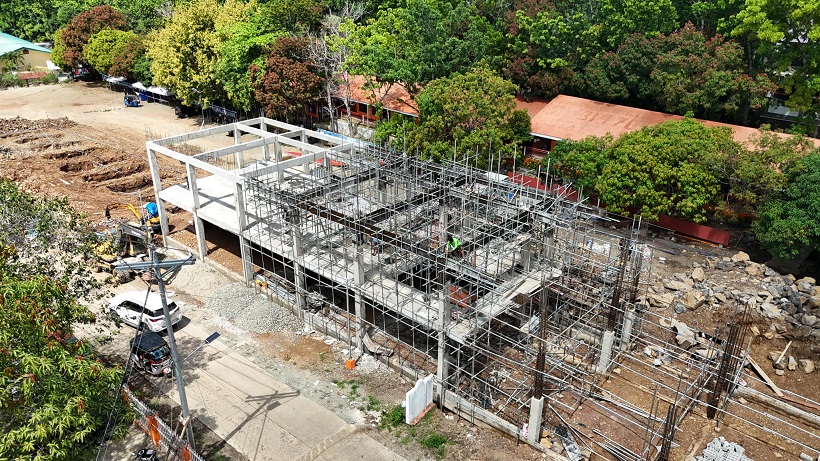
Infrastructure Development: There are public references to new/building projects for PCIC: e.g., a 2-storey school building under construction. This suggests a gradual build-out of physical infrastructure to support growth.
Funding & Sustainability Mechanisms: The charter provides mechanisms for funding via city budget, but also envisions external funding — donations, grants, partnerships with industry/business, and possibly revenue-generating auxiliary services.
✅ What PCIC Has Achieved So Far (Milestones / Progress)
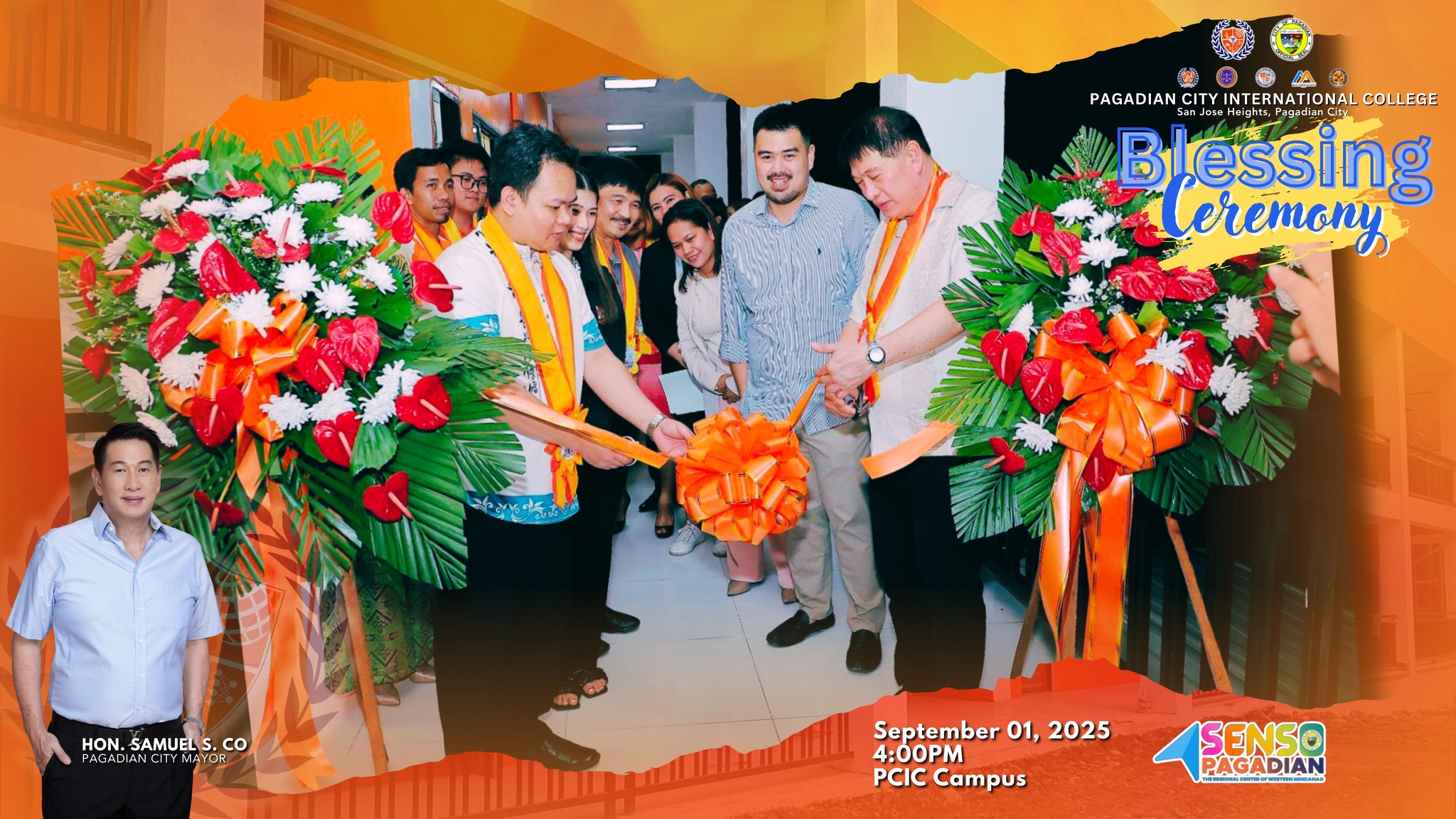
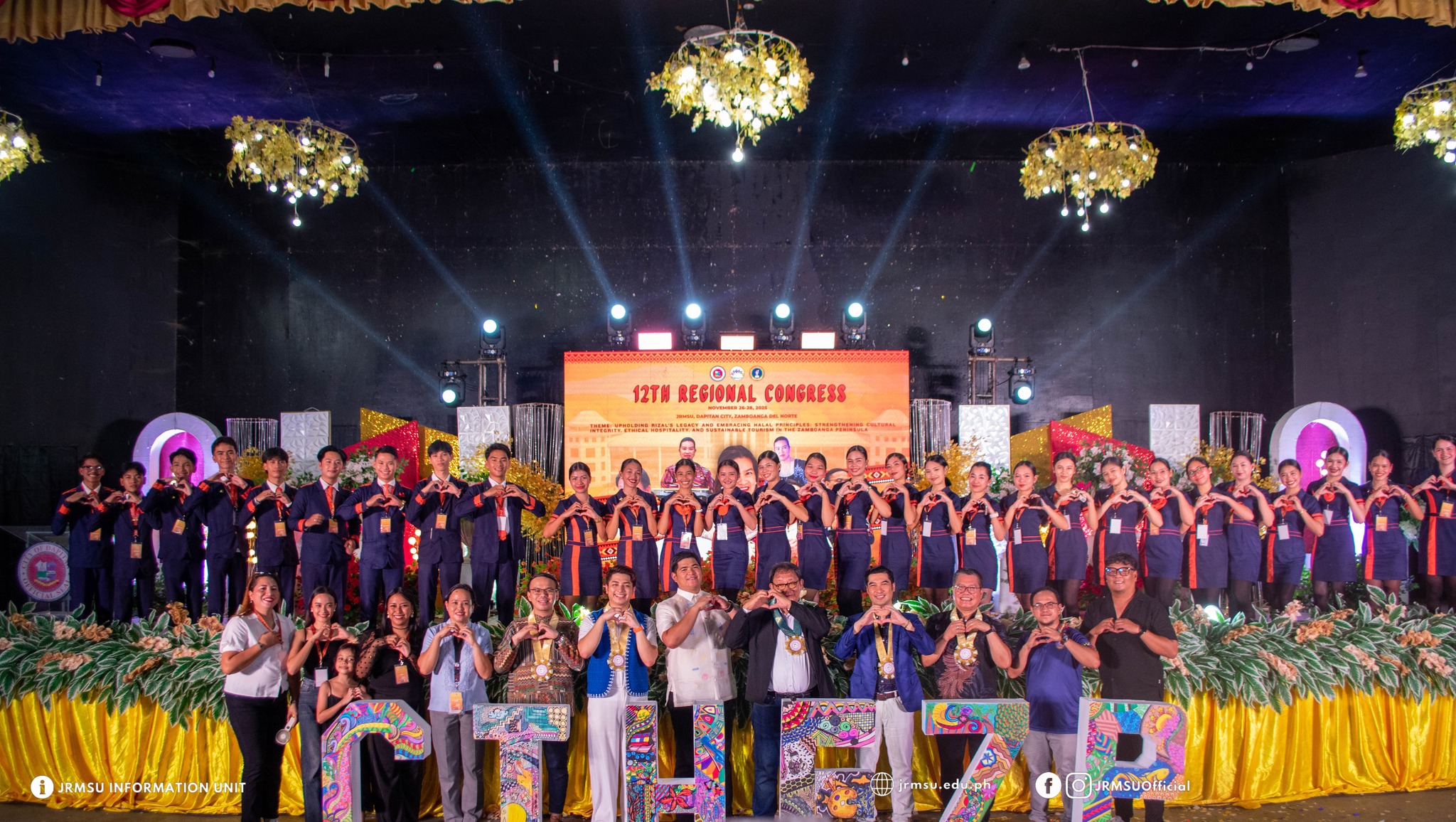
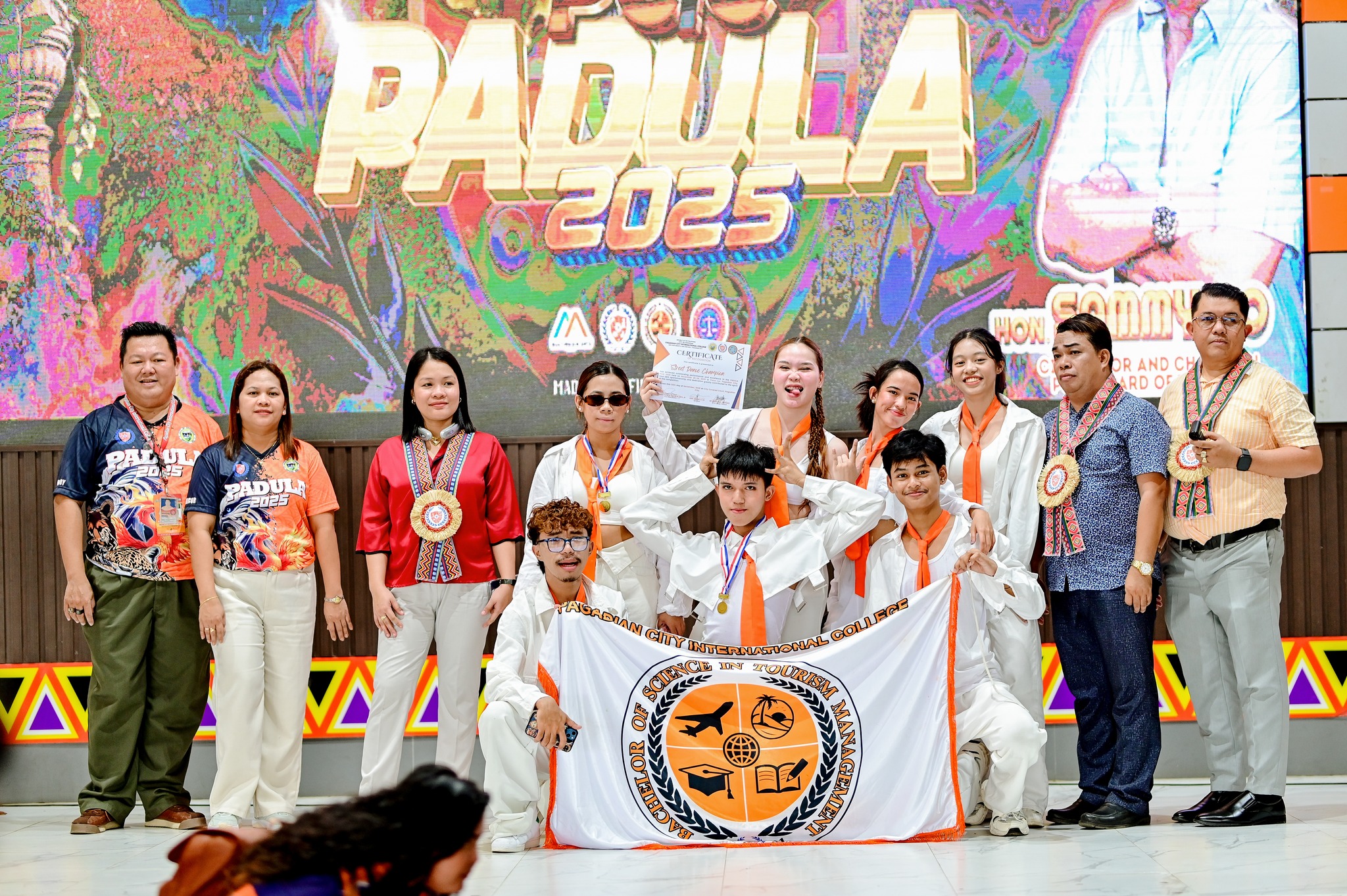
- Started operations in 2021 and opened multiple degree courses
- Has structured governance (charter, board of trustees, college council, formal policies)
- Student services and organizational features (student council, student affairs, digital center) implemented
- Publicly announced plan to expand into agriculture and agritech-related courses with demo farms prepared
- Infrastructure expansion underway (e.g. constructing school buildings)
- Recognition by regulatory authorities: At founding, PCIC got its first-level permits for its initial programs
🎯 Strategic Significance — Why This Roadmap Matters (For Pagadian / Region)
Addressing Local Needs: By offering agriculture courses and vocational-technical training, PCIC could help meet local labor/industry demands — especially in agriculture, which remains vital in many parts of Mindanao.
Improving Access to Higher Education: As a government-established local college, it provides an alternative to private colleges/universities — potentially making higher ed more accessible and affordable to residents of Pagadian City and nearby.
Promoting Local Development & Food Security: With agriculture courses + "demo farms," PCIC's roadmap aligns with broader national goals (food security, sustainable agriculture), and may contribute to local economic and social development.
Potential for Community Research & Extension: If PCIC realizes its charter's vision for research & extension services, it could become a hub for community-oriented projects (agri-extension, small enterprise support, technical assistance) — which could benefit local farmers, small businesses, and urban-rural linkages.
Opportunity for Institutional Growth: Infrastructure development & formal governance create space for PCIC to expand, adapt to more programs, possibly collaborate with industry & government agencies — positioning PCIC to become an important higher-ed institution in the Zamboanga Peninsula region.
Program Overview
The Bachelor of Science in Tourism Management (BSTM) program at Pagadian City International College is designed to produce competent professionals who are equipped with comprehensive knowledge, skills, and values essential for the tourism and hospitality industry. Our program emphasizes both theoretical foundations and practical applications, preparing students to become leaders in the global tourism sector.
Program Objectives
- To develop students' knowledge and understanding of tourism management principles, practices, and trends
- To enhance students' communication, critical thinking, and problem-solving skills
- To instill ethical values and social responsibility in tourism operations
- To prepare students for leadership roles in various sectors of the tourism industry
- To promote sustainable tourism practices and environmental stewardship
- To foster cultural awareness and appreciation of local and international tourism destinations
Program Structure
The BSTM program follows a comprehensive curriculum that includes:
- General Education Courses: Providing a strong foundation in liberal arts and sciences
- Tourism Professional Core Courses: Specialized courses in tourism operations, management, and planning
- Tourism and Hospitality Core Courses: Courses focusing on hospitality management and service excellence
- Internship and Practicum: Hands-on experience in real-world tourism and hospitality settings
Career Opportunities
Graduates of the BSTM program are prepared for diverse career opportunities in:
- Tourism Planning and Development
- Travel and Tour Operations
- Hotel and Resort Management
- Event Management
- Travel Agencies
- Tourism Research and Education
- Government Tourism Offices
- Cruise Line Operations
- Airline Services
- Restaurant and Food Service Management
Why Choose BSTM at PCIC?
- Experienced and qualified faculty members with industry expertise
- Modern facilities and resources for hands-on learning
- Strong industry partnerships for internships and job placements
- Comprehensive curriculum aligned with industry standards
- Focus on sustainable and responsible tourism practices
- Student-centered approach to learning
Program Duration
The Bachelor of Science in Tourism Management program is a four-year degree program that provides students with comprehensive training in tourism management, hospitality operations, and business administration. The program includes both academic coursework and practical training components to ensure graduates are well-prepared for the demands of the tourism industry.